This Bachelor’s Thesis Lets You Build Your Own Kindle Alternative eBook Reader
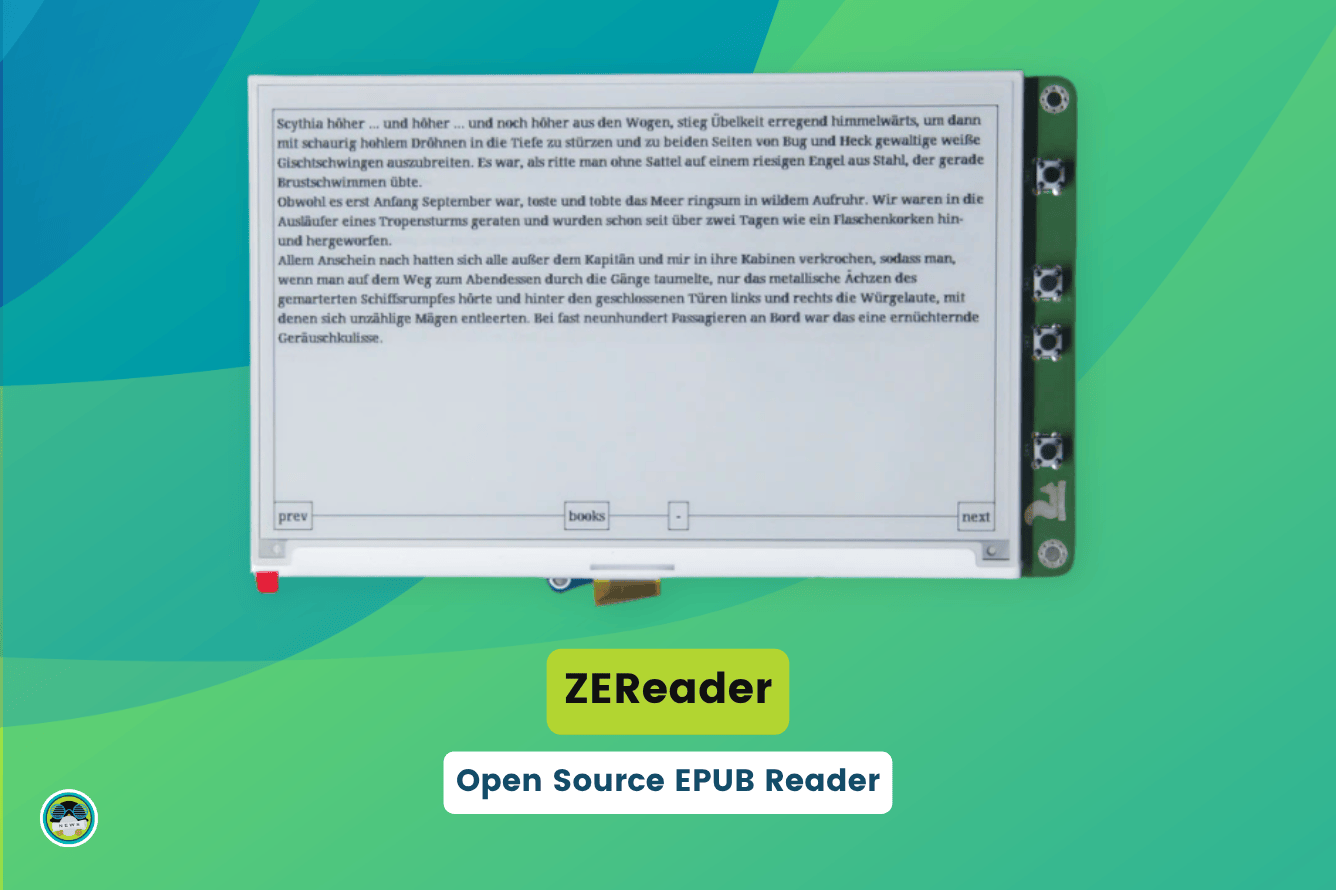
The landscape of digital reading is dominated by a few key players, Amazon being the most prominent with its Kindle ecosystem. However, the closed nature of such ecosystems often leaves enthusiasts yearning for more control, customization, and a deeper understanding of the technology they use. Now, a groundbreaking bachelor’s thesis offers a compelling solution: a fully hackable, open-source eBook reader that empowers users to build and tailor their own device, presenting a viable alternative to the limitations of commercial offerings. This thesis project, detailed and meticulously documented, provides a complete blueprint for constructing a functional eBook reader, complete with hardware specifications, software architecture, and comprehensive instructions for assembly and modification.
Unveiling the Open-Source eBook Reader: A Deep Dive
This innovative project isn’t just a theoretical exercise; it’s a practical, fully realizable endeavor. The thesis meticulously outlines every aspect of the eBook reader’s construction, allowing anyone with basic electronics knowledge and programming skills to embark on this exciting journey. The core of the project lies in its commitment to open-source principles, fostering a community-driven approach to development and improvement.
Hardware Components: Building the Foundation
The hardware selection prioritizes affordability, availability, and ease of integration. The central processing unit (CPU) is carefully chosen to strike a balance between processing power and energy efficiency, crucial for extending battery life. Typically, a low-power ARM Cortex-M series microcontroller forms the heart of the system. This microcontroller manages all device operations, from displaying text to handling user input and managing power consumption.
E-Ink Display: The choice of display is paramount to the eBook reading experience. The thesis focuses on utilizing readily available E-Ink displays, known for their excellent readability and low power consumption. These displays mimic the appearance of printed text, reducing eye strain and allowing for comfortable reading for extended periods. The specific display size and resolution are configurable within the project, offering flexibility in the final product. The thesis explores the nuances of driving the E-Ink display, including waveform control and partial refresh techniques to optimize performance and reduce ghosting.
Power Management: Power efficiency is a critical design consideration. The project incorporates a sophisticated power management system to maximize battery life. This system typically includes a lithium-ion battery, a charging circuit, and a power management integrated circuit (PMIC). The PMIC regulates voltage levels, monitors battery health, and implements power-saving features such as sleep modes and automatic shutdown. The thesis provides detailed schematics and code examples for implementing a robust power management system.
User Interface: Navigation and interaction are facilitated through physical buttons or a capacitive touchscreen. The choice depends on the desired level of complexity and user preference. Physical buttons offer tactile feedback and are generally more power-efficient, while a touchscreen provides a more intuitive and versatile user interface. The thesis explores both options, providing code examples and design considerations for each.
Memory and Storage: Adequate memory is essential for storing eBooks and system software. The project typically utilizes flash memory for storing the operating system and a microSD card slot for expanding storage capacity to accommodate a large library of eBooks. The thesis details the integration of these memory components and provides code examples for accessing and managing data.
Software Architecture: The Brains of the Operation
The software architecture is designed to be modular, extensible, and easy to understand. The core of the software is a custom operating system, often based on a lightweight embedded operating system or a real-time operating system (RTOS). This operating system manages system resources, schedules tasks, and provides a platform for running the eBook reading application.
eBook Parsing and Rendering: The eBook reading application is responsible for parsing eBook files (typically in EPUB or PDF format) and rendering the text and images on the E-Ink display. The thesis provides detailed code examples for implementing an EPUB parser, which extracts text, formatting information, and metadata from the eBook file. The rendering engine then formats the text and images according to the specified formatting rules and draws them on the display. Optimization techniques such as caching and pre-rendering are employed to improve performance and reduce latency.
User Interface Implementation: The user interface is implemented using a graphical library that provides basic drawing primitives and user interface widgets. The thesis explores various options for UI libraries, considering factors such as performance, memory footprint, and ease of use. The user interface typically includes features such as a book list, a reading view, a settings menu, and a search function.
File System Management: The file system management component handles the storage and retrieval of eBook files. The thesis explores different file system options, considering factors such as performance, reliability, and compatibility with microSD cards. The file system management component provides functions for creating, deleting, renaming, and listing files.
Power Management Software: The power management software monitors battery levels, controls power consumption, and implements power-saving features. The thesis provides code examples for reading battery voltage, controlling backlight brightness, and entering sleep mode.
Hackability and Customization: Unleashing the Potential
What truly sets this project apart is its commitment to hackability and customization. The open-source nature of the hardware and software allows users to modify and extend the device’s functionality to suit their specific needs and preferences.
Software Modifications: Tailoring the Reading Experience
Users can modify the software to add new features, improve performance, or customize the user interface. This includes:
- Adding support for new eBook formats: The project can be extended to support other eBook formats, such as MOBI or AZW3.
- Implementing custom fonts: Users can add their own custom fonts to personalize the reading experience.
- Integrating with online services: The device can be connected to the internet to download eBooks from online stores or access cloud storage services.
- Developing custom plugins: Users can develop custom plugins to add new functionality to the device, such as dictionary lookup, note-taking, or text-to-speech.
Hardware Modifications: Pushing the Boundaries
The hardware can also be modified to enhance the device’s capabilities or adapt it to specific use cases. This includes:
- Adding new sensors: Sensors such as accelerometers, gyroscopes, or ambient light sensors can be added to the device to enable new features.
- Expanding storage capacity: The storage capacity can be expanded by using a larger microSD card or by adding internal flash memory.
- Improving battery life: The battery life can be improved by using a larger battery or by optimizing the power management system.
- Customizing the enclosure: The enclosure can be customized to suit the user’s aesthetic preferences or to provide additional protection.
Building Your Own eBook Reader: A Step-by-Step Guide
The thesis provides a comprehensive step-by-step guide to building your own eBook reader. This guide includes:
Bill of Materials (BOM): A detailed list of all the hardware components required for the project, including part numbers, quantities, and vendors.
Schematics and PCB Layout: Detailed schematics and PCB layouts for the electronic circuits, allowing users to fabricate their own printed circuit boards.
Firmware Source Code: Complete source code for the device firmware, written in C or C++.
Build Instructions: Step-by-step instructions for assembling the hardware and flashing the firmware.
Troubleshooting Guide: A comprehensive troubleshooting guide to help users resolve common issues.
Why This Project Matters: Empowering Digital Literacy
This bachelor’s thesis represents more than just a DIY project; it’s a statement about digital ownership and the importance of understanding the technology we use. By providing a fully hackable and customizable eBook reader, the project empowers users to take control of their digital reading experience and to learn about the inner workings of the devices they rely on. In an age where technology increasingly dictates our lives, this project offers a refreshing alternative: a path towards digital literacy and technological empowerment.
Fostering Innovation and Collaboration
The open-source nature of the project encourages innovation and collaboration. Users can contribute their own modifications and improvements, creating a vibrant community around the project. This collaborative approach can lead to the development of new features, improved performance, and a wider range of customization options.
Promoting Sustainability
By encouraging users to build and repair their own devices, the project promotes sustainability and reduces electronic waste. Instead of discarding a broken eBook reader, users can repair it themselves or recycle the components. This approach helps to conserve resources and reduce the environmental impact of technology.
Tech Today’s Take: The Future of Open-Source Readers
At Tech Today, we believe this project represents a significant step forward in the world of digital reading. The fully hackable nature of this eBook reader allows for unparalleled customization, putting the user in complete control of their reading experience. The transparency of the hardware and software fosters a deeper understanding of the underlying technology, promoting digital literacy and empowering users. We see a future where open-source eBook readers become a viable alternative to commercial offerings, offering greater freedom, customization, and control. The project’s commitment to sustainability also aligns with our values, promoting responsible technology consumption. We eagerly anticipate the developments and innovations that will emerge from this project and its community. The potential for expanding reading experiences through personalized software modifications and community-driven development makes it a very compelling project. We believe projects like this are essential to push the boundaries of technological innovation and empower users with greater control over their digital lives. We will continue to follow this project and others like it, offering our platform to showcase the ingenuity and creativity of the open-source hardware and software communities.